Electric vehicle owners and prospective buyers in Florida can take advantage of several incentive programs that reduce the cost of EV ownership. Understanding available federal tax credits, utility rebates, and other programs helps you maximize savings when purchasing an electric vehicle or installing home charging equipment.
Federal EV Tax Credit
The federal government offers tax credits up to $7,500 for qualifying new electric vehicles. The Inflation Reduction Act modified eligibility requirements, making manufacturer location, battery sourcing, and vehicle price caps important factors in determining credit availability.
To qualify for the full credit, vehicles must undergo final assembly in North America, meet battery component and critical mineral sourcing requirements, and fall below price caps of $55,000 for sedans and $80,000 for SUVs and trucks. Income limits also apply, with phase-outs beginning at $150,000 adjusted gross income for single filers and $300,000 for joint filers.
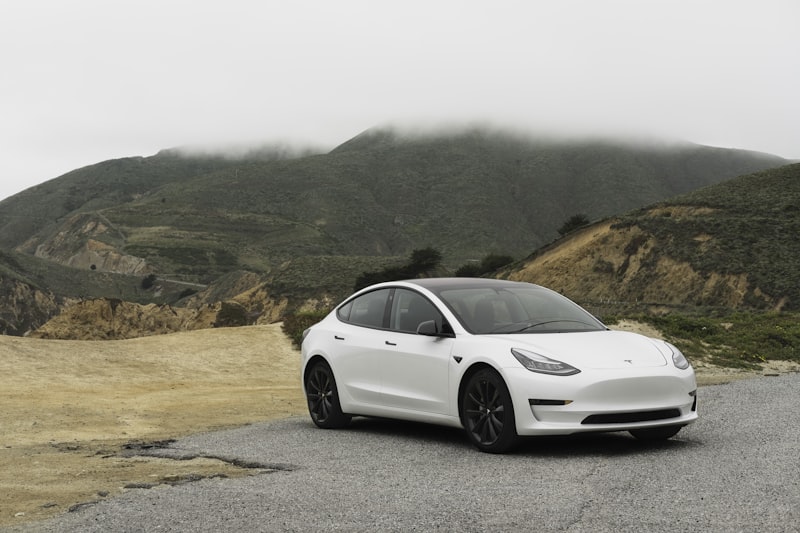
Tesla Model 3 and Model Y vehicles typically qualify for at least partial credits, with specific amounts depending on current battery sourcing compliance. The Tesla website and IRS database provide updated qualification information as manufacturers work to meet evolving requirements.
Beginning in 2024, buyers can elect to transfer the credit to dealers, effectively receiving it as a point-of-sale discount rather than waiting for tax filing. This change improves accessibility for buyers who might not have sufficient tax liability to fully utilize the credit otherwise.
Federal Charger Tax Credit
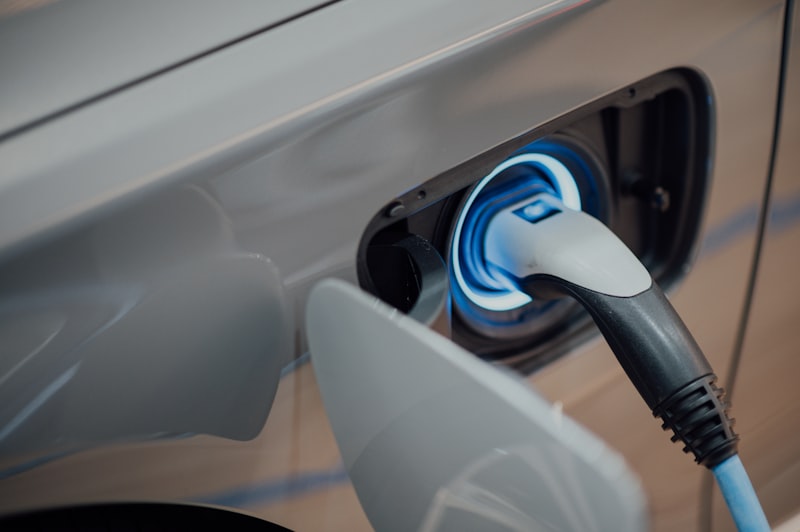
The federal Alternative Fuel Vehicle Refueling Property Credit provides 30% of EV charging equipment and installation costs up to $1,000 for residential installations. This credit applies to home charger purchases including the Tesla Wall Connector and professional installation labor.
Location-based requirements limit this credit to installations in low-income census tracts or non-urban areas. Many Orlando area locations qualify, but verification is required. Your tax professional can help determine eligibility based on your specific installation address.
Florida State Incentives
Florida currently offers no direct state tax credits or rebates for electric vehicle purchases, but several indirect benefits reduce EV ownership costs. The state eliminated annual EV registration fees that previously added $200 or more to yearly costs, though a modest annual fee remains in place.
Florida law facilitates home charger installation by preventing homeowner associations from prohibiting EV charging equipment in reasonable locations. This protection ensures EV owners can install home charging without HOA interference, addressing a common barrier in community-governed properties.
Utility Company Programs
Florida utility companies offer various programs benefiting EV owners. Duke Energy provides time-of-use rate plans that offer significantly reduced electricity rates during off-peak hours, typically overnight, when most EV charging occurs. These plans can reduce charging costs by 30% or more compared to standard rates.
Orlando Utilities Commission offers residential time-of-use rates similarly structured to encourage off-peak charging. OUC also periodically offers rebates on qualified charging equipment, though program availability varies.
Some utilities offer dedicated EV charging rate plans with separate metering for charging circuits. While requiring additional installation for the separate meter, these plans can provide the lowest possible charging costs for high-mileage drivers.
Employer and Workplace Programs
Many Orlando area employers offer EV-related benefits including workplace charging access, sometimes free of charge. If your employer does not yet offer charging, inquiring about potential installation may prompt consideration, particularly given commercial tax incentives that make workplace charging more affordable.
Some employers include EV charging as a commuter benefit, and others offer subsidies toward home charging equipment. Reviewing your employee benefits package for EV-related offerings is worthwhile.
Maximizing Your Incentives
Combining available incentives maximizes your savings. A new EV purchase might qualify for the federal vehicle tax credit while your home charger installation qualifies for the charger credit. Enrolling in your utility time-of-use rate plan further reduces ongoing charging costs.
Consulting with a tax professional about your specific situation ensures you capture all available credits and structure purchases optimally. The interaction between credits, income limitations, and timing considerations benefits from professional guidance.
ChargeOrlando helps Orlando area residents understand incentive implications for home charger installation. Contact us to discuss your installation plans and ensure you are positioned to capture available benefits while establishing convenient, economical home charging.