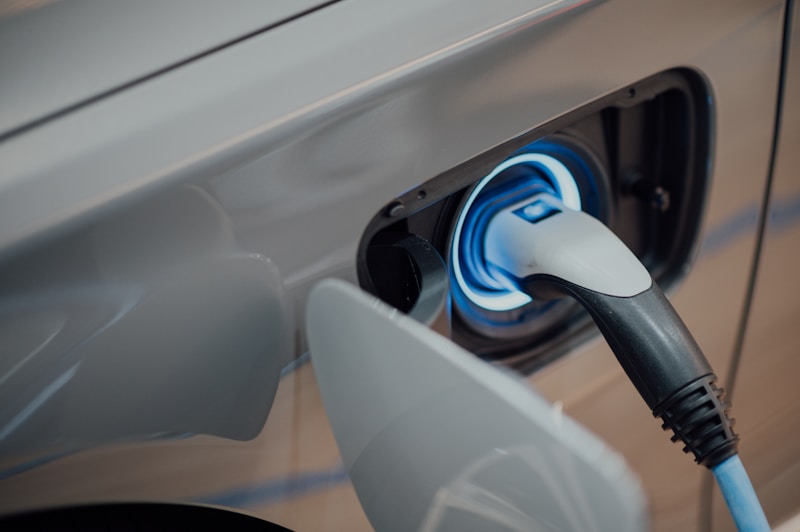
Installing a home EV charger transforms your electric vehicle ownership experience, providing the convenience of starting each day with a fully charged vehicle without any trips to public charging stations. This comprehensive guide walks you through everything you need to know about bringing Level 2 charging capability to your Orlando area home.
Understanding Your Options
Home EV charging installations typically take one of two forms. The simpler approach installs a NEMA 14-50 outlet, the same type used for electric ranges and RV connections, allowing you to use your Tesla Mobile Connector or other portable charger. This option costs less upfront and maintains flexibility, as you can take the portable charger with you when traveling.
The more robust approach installs a dedicated wall-mounted charger like the Tesla Wall Connector. These units offer faster charging speeds, integrated cable management, smart features including WiFi connectivity and app control, and a cleaner appearance in your garage. The higher initial investment pays dividends in daily convenience throughout your ownership.
Both options require 240-volt electrical circuits, professional installation, and permits with inspections in most Florida jurisdictions. The fundamental electrical work is similar, with the primary difference being whether you mount an outlet or a charging unit at the end of the circuit.
Evaluating Your Electrical System
Before installation can proceed, your electrical system must be evaluated for capacity and compatibility. Your main electrical panel needs sufficient amperage to support a 40 to 60 amp charging circuit alongside your existing household loads. Panels rated at 200 amps typically accommodate EV charging easily, while 100-amp panels may require careful evaluation or upgrade.
Available space in your panel for new circuit breakers is another consideration. Full panels may require reorganization, tandem breaker installation where permitted, or sub-panel addition to create space for the new charging circuit.
The distance between your panel and your preferred charging location affects installation complexity and cost. Shorter runs require less wiring material and labor, while longer distances or routes requiring passage through multiple walls increase project scope.
The Professional Installation Process
Professional EV charger installation begins with an on-site consultation where an electrician evaluates your specific situation. They examine your electrical panel, identify optimal wiring routes, discuss charger placement options, and provide a detailed quote reflecting your home particular requirements.
Following quote acceptance, the installer handles permit applications on your behalf. Florida electrical codes require permits for EV charger installations, ensuring independent inspection verifies safety and code compliance. Permit approval typically takes three to five business days.
Installation day involves mounting the charging equipment, running electrical wiring from your panel to the charger, making all connections, and thoroughly testing the completed installation. Most standard installations complete within three to five hours, leaving you ready to begin charging immediately.
Post-installation inspection by your local building department verifies code compliance. This brief visit typically occurs within a few days of installation completion and confirms your installation meets all applicable safety standards.
Cost Considerations
Home EV charger installation costs vary based on your specific situation but typically range from $500 to $2,000 for complete professional installation including the charging equipment itself. Factors affecting cost include distance from panel to charger location, wire gauge requirements based on amperage, panel modifications if needed, and the specific charging equipment selected.
Federal tax credits currently offset 30% of charging equipment and installation costs up to $1,000 for qualifying installations in eligible locations. This credit significantly improves the economics of home charging investment.
The ongoing savings from home charging quickly offset installation costs. At typical Orlando electricity rates, home charging costs roughly one-third of gasoline for equivalent mileage. Most EV owners recover their installation investment within two to three years through fuel savings alone.
Selecting Your Installer
Choose a licensed electrical contractor with specific experience in EV charger installations. Proper installation requires familiarity with relevant electrical codes, charging equipment specifications, and best practices for reliability and safety. Verify licensing, insurance, and request references from previous EV charger installations.
ChargeOrlando provides professional EV charger installation throughout the Orlando metropolitan area. Our experienced electricians handle every aspect of your installation from consultation through inspection, ensuring a seamless experience and reliable charging capability. Contact us today to begin your home charging journey.