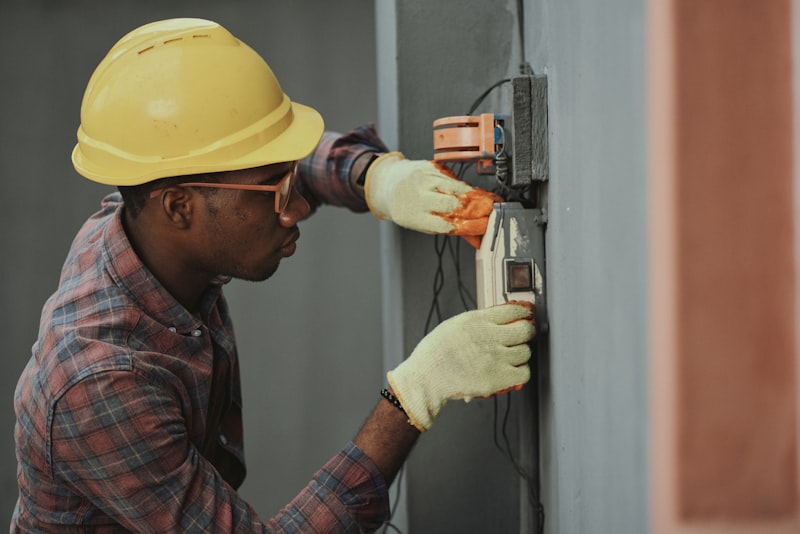
Electrical panel upgrades represent a significant but sometimes necessary investment for homeowners, particularly when adding high-power equipment like EV chargers. Understanding when an upgrade is truly needed versus when alternative solutions exist helps you make cost-effective decisions while ensuring safe, reliable electrical service for your home.
Signs Your Panel May Need Upgrading
Several indicators suggest your electrical panel may be approaching or exceeding its capacity limits. Frequent breaker trips, particularly when using multiple appliances simultaneously, indicate the system is struggling to meet demand. While occasional trips are normal protective behavior, regular occurrences signal capacity problems.
Warm or discolored breakers or panel covers warrant immediate attention and professional evaluation. Heat indicates electrical connections may be compromised, creating both safety hazards and efficiency losses. This situation requires prompt professional assessment regardless of EV charging plans.
Panels manufactured by Federal Pacific Electric or Zinsco have documented safety issues and should be replaced regardless of capacity considerations. These brands, common in homes built between the 1950s and 1980s, have been associated with failure to trip under fault conditions, creating serious fire risks.
Homes with fuse boxes rather than circuit breaker panels are candidates for upgrading to modern breaker-based panels. While fuses remain functional, they lack the convenience and safety features of modern breakers, and most EV charger installations require breaker-compatible panels.
Capacity Assessment for EV Charging
Adding a 40 to 60 amp EV charging circuit requires available panel capacity. For a 200-amp panel, this addition typically poses no problem. For 100-amp panels, careful load calculation determines whether the charging circuit fits within available capacity alongside existing loads.
Professional load calculations consider your actual electrical usage patterns rather than simply summing breaker ratings. Your 30-amp dryer circuit and 50-amp range circuit, for example, rarely operate at maximum capacity simultaneously. These diversity factors often reveal more available capacity than simple arithmetic suggests.
Time-of-use considerations also matter. If you primarily charge overnight when other electrical demands are minimal, the actual peak load overlap may be negligible even if daytime simultaneous operation would be problematic.
Alternatives to Full Panel Upgrade
Several strategies can enable EV charger installation without complete panel replacement. Installing the charger at reduced amperage decreases capacity requirements. A Wall Connector configured for 24 or 32 amps rather than its maximum 48 amps requires a smaller circuit while still providing adequate overnight charging for most drivers.
Load management devices actively monitor household power consumption and adjust EV charging to avoid overloading the panel. These smart devices reduce charging speed when other loads are high and increase it when capacity is available, maximizing charging within panel limitations.
Sub-panel installation may solve capacity distribution issues without replacing the main panel. If your main panel has capacity but lacks available breaker slots, a sub-panel adds slots while utilizing available amperage through a single feeder connection.
When Upgrade Is the Right Choice
Despite alternatives, full panel upgrades sometimes make the most sense. If your panel is more than 30 years old, upgrading modernizes your home electrical infrastructure while enabling EV charging. The marginal cost of a larger panel during upgrade is minimal compared to labor expenses.
Homes with 100-amp service that need to support EV charging plus other electrical additions, such as pool pumps, hot tubs, or workshop equipment, benefit from upgrading to 200-amp service that accommodates all needs with ample headroom.
If you plan to install solar panels with battery backup, heat pump water heaters or HVAC, or other electrical equipment over coming years, addressing panel capacity proactively avoids multiple expensive projects and provides a foundation for your home long-term electrical needs.
Understanding Upgrade Costs
Panel upgrade costs vary based on scope and specific circumstances. A straightforward 100-amp to 200-amp upgrade typically ranges from $2,000 to $4,000 including permit, inspection, and utility coordination. Complex situations involving meter relocation, service entrance replacement, or significant rewiring can increase costs further.
Utility company involvement may be required for service upgrades, and coordination timelines vary. Planning panel upgrades several weeks in advance ensures utility scheduling does not delay your project.
Professional Evaluation
ChargeOrlando provides comprehensive electrical evaluations for EV charger installations. We assess your panel condition and capacity, discuss your current and anticipated electrical needs, and recommend the most cost-effective approach to achieving your charging goals. Contact us today for an evaluation and honest guidance about whether upgrade is necessary for your situation.