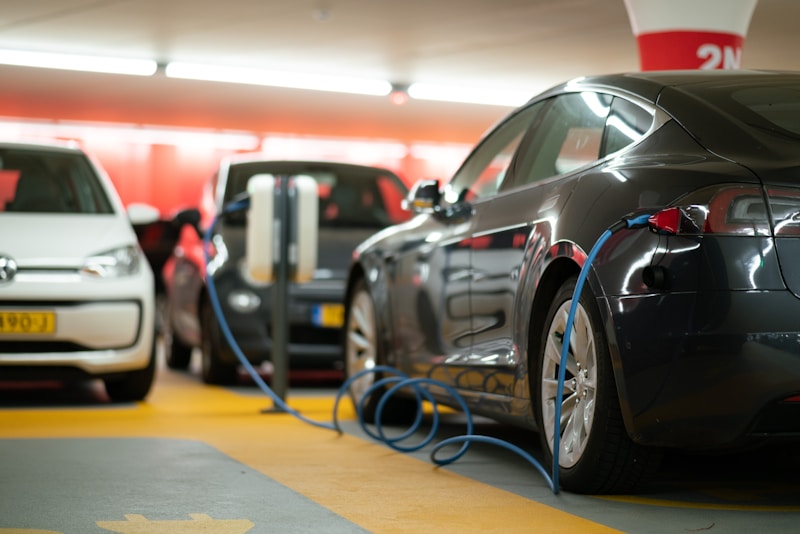
Charging your electric vehicle is inherently safe when proper equipment and practices are employed. However, understanding and following key safety guidelines ensures your charging routine remains incident-free throughout your years of EV ownership. These essential tips apply whether you charge at home, work, or public stations.
1. Use Only Approved Charging Equipment
Always use charging equipment specifically designed for electric vehicle charging. Your vehicle manufacturer supplies or approves specific chargers for good reason. Avoid generic or unapproved equipment that may lack proper safety certifications or protections. The UL listing or equivalent certification indicates equipment meets rigorous safety standards.
Never use damaged charging cables or connectors. If you notice frayed insulation, bent pins, melted plastic, or other damage, discontinue use immediately and have the equipment repaired or replaced. Continuing to use damaged equipment creates shock and fire risks.
2. Ensure Proper Installation for Home Chargers
Home charging equipment must be installed by licensed electricians following applicable electrical codes. Proper installation includes correct wire sizing, appropriate circuit breakers, secure connections, and proper grounding. Cutting corners during installation creates risks that may not be apparent until failure occurs.
Permits and inspections exist to verify installation safety. While skipping these steps may seem like a way to save time or money, unpermitted installations may void insurance coverage and create liability if problems occur.
3. Avoid Extension Cords and Adapters
Standard extension cords are not rated for the continuous high current draw of EV charging and can overheat, potentially causing fires. If your charging cable cannot reach your vehicle, reposition the vehicle or consider installing your charger in a more accessible location rather than using extension cords.
Similarly, avoid adapter chains or makeshift connections. Each connection point represents potential resistance and heat generation. Use only adapters specifically designed and rated for EV charging applications.
4. Inspect Regularly for Damage
Periodically inspect your charging cable, connector, and charging port for signs of damage or wear. Look for cuts, abrasions, discoloration, melting, or any unusual conditions. Check that the connector pins are straight and clean. Address any concerns promptly rather than continuing to charge with potentially compromised equipment.
5. Keep Connections Clean and Dry
While modern charging equipment handles incidental moisture exposure, keeping connections as dry as possible supports reliable operation. Do not charge with standing water in the charge port. If charging outdoors in rain, the weather-sealed equipment handles this fine, but avoid connecting or disconnecting in actively flowing water if possible.
Dust and debris accumulation in charge ports or on connectors should be cleaned periodically. Compressed air can clear debris without risking damage from physical cleaning tools.
6. Mind the Cable Position
Route charging cables to avoid creating tripping hazards or allowing vehicles to drive over the cable. Repeated crushing damages cable insulation and internal conductors. Keep cables elevated or clearly visible when crossing walkways or driveways.
7. Follow Temperature Guidance
Extreme temperatures affect charging safety and efficiency. In very cold conditions, preconditioning your battery through the vehicle app before charging improves both safety and charging speed. In extreme heat, your vehicle may limit charging speed to protect battery temperature, which is a normal and appropriate protective response.
8. Do Not Leave Children Unattended
While charging equipment includes safety features preventing shock during normal operation, charging cables and equipment should not be used as toys. Supervise children around charging equipment and teach them appropriate respect for electrical systems.
9. Know Emergency Procedures
Understand how to stop charging in emergency situations. Most chargers have emergency stop buttons or simple unplugging procedures. Know the location of your electrical panel and how to cut power to the charging circuit if ever needed. In case of fire or sparking, never touch the equipment directly.
10. Choose Professional Installation
The most impactful safety decision you make is selecting qualified professionals for your home charging installation. Experienced electricians understand the requirements for safe, code-compliant installations that protect your family and property for years of reliable service.
ChargeOrlando provides professional EV charger installation throughout the Orlando area with safety as our foremost priority. Our licensed electricians ensure every installation meets or exceeds all safety requirements. Contact us today to discuss safe, reliable home charging for your electric vehicle.