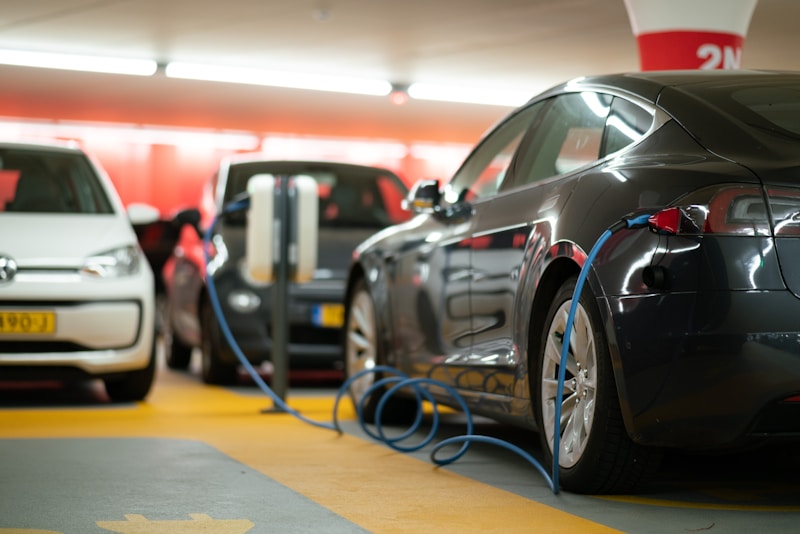
Safety concerns about charging electric vehicles in enclosed garage spaces represent one of the most common questions from homeowners considering EV ownership or charger installation. The reassuring answer is that charging your electric vehicle in your garage is extremely safe when proper installation practices are followed and basic precautions are observed.
Understanding EV Charging Safety
Electric vehicle manufacturers design their vehicles and charging systems with multiple layers of safety protection. The charging process involves sophisticated communication between your vehicle and the charging equipment, with continuous monitoring for any abnormalities. If the system detects issues such as ground faults, overcurrent conditions, or improper connections, charging automatically stops to prevent dangerous situations.
Modern EV chargers, including the Tesla Wall Connector, incorporate numerous safety features. Ground fault circuit interrupter protection prevents electrical shock hazards. Temperature monitoring within the charger ensures components remain within safe operating ranges. The charging cable contains sensors that detect damage and will halt charging if the cable integrity is compromised.
Statistical evidence strongly supports the safety of EV charging. Studies consistently show that electric vehicles are no more likely to catch fire than gasoline-powered vehicles, and arguably less likely given the absence of flammable fuel. The National Fire Protection Association and similar organizations have not identified EV charging as a significant fire risk when proper equipment and installation practices are employed.
Professional Installation Is Essential
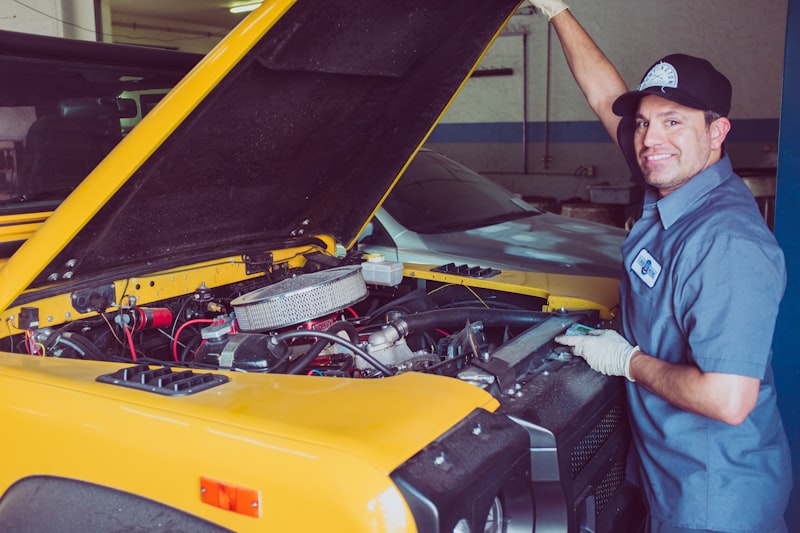
The safety of garage charging depends heavily on proper installation by qualified professionals. Licensed electricians ensure that your charging circuit uses appropriately sized wiring for the amperage involved, that all connections are secure and properly made, and that the installation meets current electrical codes designed specifically to ensure safety.
Proper circuit protection is particularly important. The breaker protecting your charging circuit must be correctly sized to prevent overheating of wires while still allowing normal charging currents. Ground fault protection, either at the breaker panel or within the charger itself, provides crucial protection against electrical shock.
The physical mounting of your charger also matters for safety. Secure mounting prevents the unit from being damaged by accidental impacts, and proper cable management keeps the charging cable off the floor where it could be driven over or damaged. Professional installers consider these practical factors alongside electrical requirements.
Garage-Specific Considerations
While garage charging is safe, certain precautions specific to enclosed spaces merit attention. Ensure adequate ventilation in your garage, particularly during hot Florida summers. While EV charging produces minimal heat compared to operating a gasoline engine, some airflow helps maintain comfortable temperatures for both you and your charging equipment.
Keep the area around your charger clear of flammable materials such as gasoline containers, paint supplies, or oily rags. This recommendation applies regardless of EV charging but becomes more relevant when electrical equipment is present. A clear three-foot radius around your charging equipment is a sensible practice.
Consider the path of your charging cable when parking. The cable should reach your vehicle charging port without stretching taut or laying across areas where people walk. Many homeowners find that consistent parking positioning becomes second nature quickly, making the charging routine seamless and safe.
Addressing Common Concerns
Some homeowners worry about charging during thunderstorms, a reasonable concern in Florida where afternoon storms are common. Modern homes with properly grounded electrical systems and surge protection can safely charge during storms. However, if you prefer extra caution, simply delaying your charging session until the storm passes is perfectly reasonable.
Questions about overnight charging while sleeping are also common. This is actually the ideal time to charge, as it takes advantage of lower electricity rates and ensures your vehicle is ready each morning. The multiple safety systems in place operate continuously, and millions of EV owners worldwide charge their vehicles overnight without incident.
Battery concerns occasionally arise, with some homeowners wondering if garage temperatures affect charging safety. While extreme temperatures can affect charging speed and efficiency, they do not create safety hazards. Your vehicle battery management system adjusts charging parameters automatically based on temperature conditions.
Best Practices for Safe Charging
Following simple best practices ensures the safest possible charging experience. Use only equipment rated for your charging needs and avoid extension cords or adapters not specifically designed for EV charging. Regularly inspect your charging cable for any signs of damage and discontinue use if problems are observed.
Keep your charger firmware updated if you have a smart charger with update capabilities. Manufacturers occasionally release updates that improve safety features or address potential issues identified after initial release.
At ChargeOrlando, we install every charger with safety as our primary concern. Our licensed electricians follow all current codes and best practices, ensuring your home charging setup protects your family and property. Contact us today to discuss safe, professional EV charger installation for your Orlando area home.